
 Image 1 of 3
 Image 2 of 3
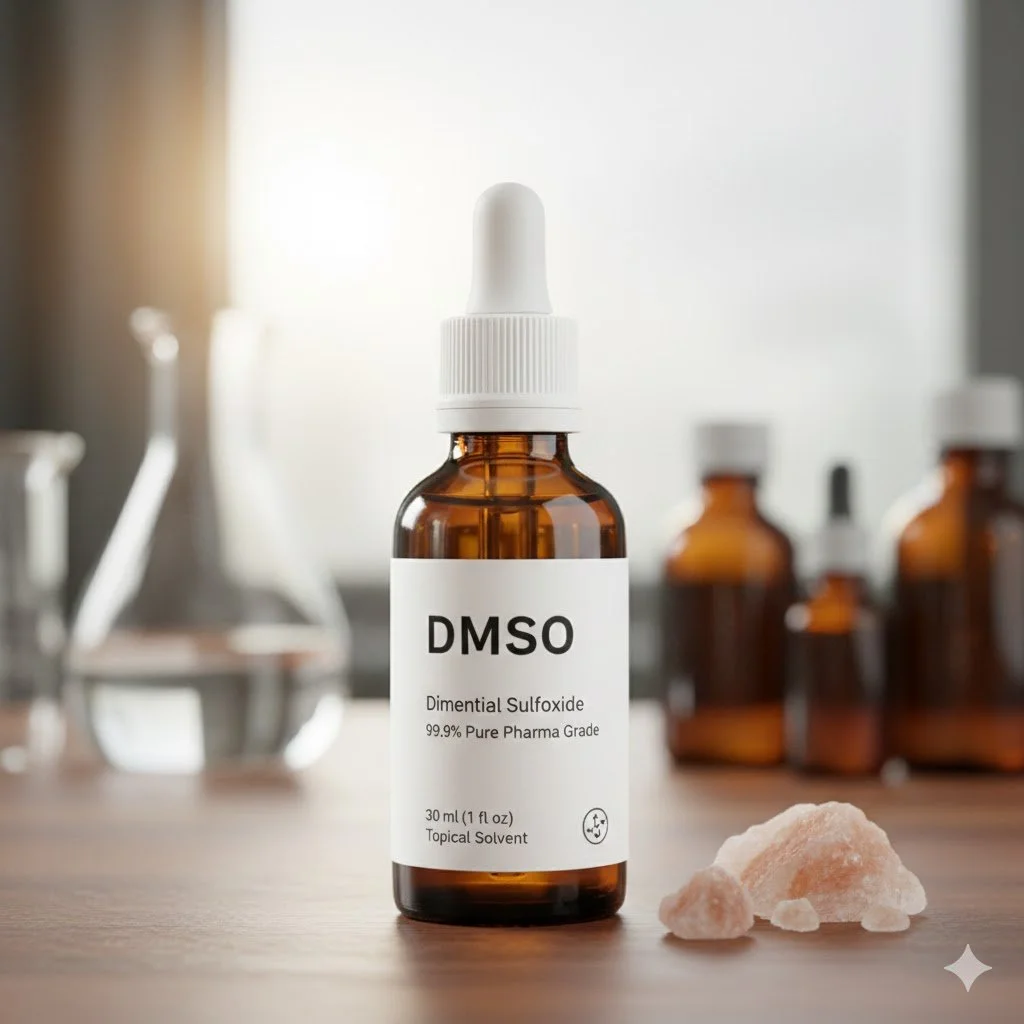 Image 3 of 3
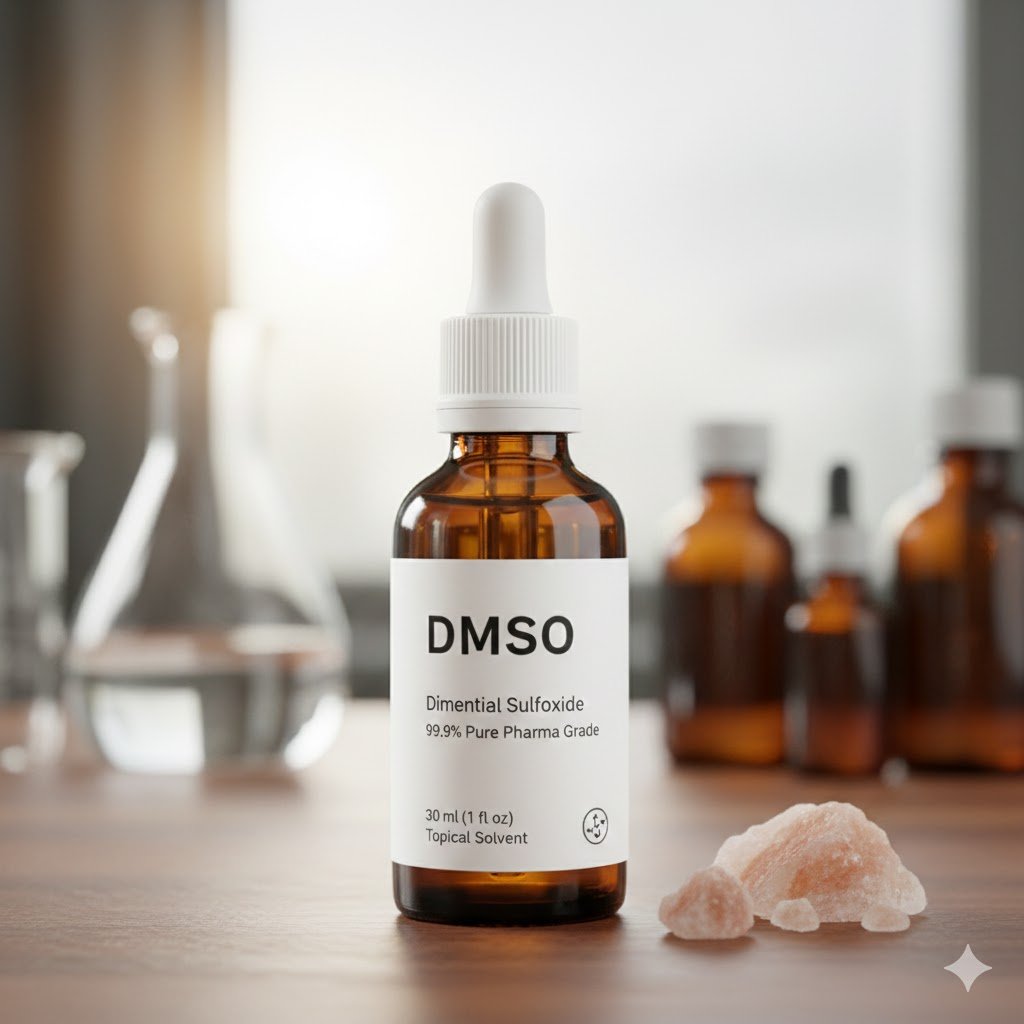
DMSO Drops 30ml
Showcase
DMSO Benefits
What is DMSO? Dimethyl sulfoxide (DMSO) is an organic compound derived from lignin, a component of wood. It has a long history of medical and veterinary use as a solvent, anti-inflammatory agent, and topical transdermal carrier. In the U.S., pharmaceutical-grade DMSO is approved for limited medical uses, and it is also used experimentally and off-label in a variety of contexts.
Primary benefits and effects
Anti-inflammatory action
DMSO reduces inflammation by scavenging free radicals and inhibiting inflammatory mediators. This can lead to decreased swelling, pain, and tissue irritation in localized conditions such as sprains, strains, and joint inflammation.
Analgesic (pain-relieving) properties
Applied topically, DMSO can produce significant pain relief. It appears to decrease nerve conduction of pain signals and reduce pain associated with musculoskeletal injuries, arthritis, and some neuropathic conditions.
Transdermal carrier (enhanced absorption)
DMSO is a potent penetration enhancer. It helps other drugs or therapeutic compounds cross the skin barrier more readily, increasing delivery to deeper tissues. This property is useful in topical formulations where systemic or local delivery of another agent is desired.
Antioxidant and free-radical scavenging
DMSO neutralizes reactive oxygen species, which contributes to tissue protection following oxidative stress and may support healing after injury.
Cryoprotectant in cell and tissue preservation
DMSO is widely used in laboratory and clinical settings to preserve cells, tissues, and organs during freezing (cryopreservation). It prevents ice crystal formation that can damage cell membranes, improving survival during thawing.
Potential antimicrobial effects
Some studies show DMSO has bacteriostatic or bactericidal activity against certain microorganisms and may enhance the penetration of antiseptics, though it is not a primary clinical antimicrobial agent.
Clinical and practical uses
Interstitial cystitis (bladder instillation)
DMSO is an FDA-approved treatment for interstitial cystitis when instilled into the bladder to reduce pain and inflammation.
Topical treatment for musculoskeletal pain
In some practices, topical DMSO preparations are used to relieve localized pain and inflammation in joints, tendons, and muscles. Concentrations and formulations vary; pharmaceutical-grade products and guidance from a healthcare professional are recommended.
Veterinary medicine
DMSO is commonly used in animals for anti-inflammatory and analgesic purposes and as a solvent for other drugs.
Research and adjunct therapy
DMSO is used experimentally to improve topical drug delivery, to protect cells during cryopreservation, and in laboratory models investigating inflammatory and oxidative injury.
Safety, considerations, and limitations
Not for widespread unsupervised use
DMSO can carry substances through the skin into the bloodstream—including contaminants or drugs—so skin must be clean and free of lotions, creams, or alcohol prior to application. Use pharmaceutical-grade product and follow medical guidance.
Side effects
Common topical effects include skin irritation, burning, itching, and a characteristic garlicky or sulfurous body/ breath odor due to metabolite excretion. Systemic side effects are possible with high doses or improper use.
Interaction and contamination risk
Because DMSO enhances absorption, it can increase systemic exposure to substances accidentally present on the skin (pesticides, heavy metals, medications). Use caution and professional oversight.
Contraindications and caution
Pregnant or breastfeeding individuals, those with severe organ disease, or people on certain medications should consult a clinician before use. DMSO can interact with some drugs and may alter their absorption or effects.
Regulatory status and evidence
Evidence for many off-label uses is mixed and often limited to small trials, animal studies, or clinical anecdotes. Approved uses are limited; clinicians should weigh potential benefits against risks and the existing evidence base.
Practical guidance
Use only pharmaceutical-grade DMSO for medical application.
Consult a qualified healthcare provider before use, especially for chronic conditions or if taking other medications.
Clean and dry skin thoroughly before topical application; avoid combining with other topical products unless instructed.
Start with lower concentrations under supervision to assess tolerance.
Monitor for skin reactions, systemic symptoms, or unusual odors and report adverse effects to a clinician.
Summary DMSO offers anti-inflammatory, analgesic, antioxidant, and transdermal carrier properties, and it plays a vital role in cryopreservation. It has legitimate, approved medical uses and additional experimental or off-label applications. However, because of safety considerations—chiefly its potent penetration-enhancing effect and potential for side effects—medical guidance and careful handling are essential.
what this product is about. What’s it made of? How was it made? What are ways to enjoy it?
Showcase
DMSO Benefits
What is DMSO? Dimethyl sulfoxide (DMSO) is an organic compound derived from lignin, a component of wood. It has a long history of medical and veterinary use as a solvent, anti-inflammatory agent, and topical transdermal carrier. In the U.S., pharmaceutical-grade DMSO is approved for limited medical uses, and it is also used experimentally and off-label in a variety of contexts.
Primary benefits and effects
Anti-inflammatory action
DMSO reduces inflammation by scavenging free radicals and inhibiting inflammatory mediators. This can lead to decreased swelling, pain, and tissue irritation in localized conditions such as sprains, strains, and joint inflammation.
Analgesic (pain-relieving) properties
Applied topically, DMSO can produce significant pain relief. It appears to decrease nerve conduction of pain signals and reduce pain associated with musculoskeletal injuries, arthritis, and some neuropathic conditions.
Transdermal carrier (enhanced absorption)
DMSO is a potent penetration enhancer. It helps other drugs or therapeutic compounds cross the skin barrier more readily, increasing delivery to deeper tissues. This property is useful in topical formulations where systemic or local delivery of another agent is desired.
Antioxidant and free-radical scavenging
DMSO neutralizes reactive oxygen species, which contributes to tissue protection following oxidative stress and may support healing after injury.
Cryoprotectant in cell and tissue preservation
DMSO is widely used in laboratory and clinical settings to preserve cells, tissues, and organs during freezing (cryopreservation). It prevents ice crystal formation that can damage cell membranes, improving survival during thawing.
Potential antimicrobial effects
Some studies show DMSO has bacteriostatic or bactericidal activity against certain microorganisms and may enhance the penetration of antiseptics, though it is not a primary clinical antimicrobial agent.
Clinical and practical uses
Interstitial cystitis (bladder instillation)
DMSO is an FDA-approved treatment for interstitial cystitis when instilled into the bladder to reduce pain and inflammation.
Topical treatment for musculoskeletal pain
In some practices, topical DMSO preparations are used to relieve localized pain and inflammation in joints, tendons, and muscles. Concentrations and formulations vary; pharmaceutical-grade products and guidance from a healthcare professional are recommended.
Veterinary medicine
DMSO is commonly used in animals for anti-inflammatory and analgesic purposes and as a solvent for other drugs.
Research and adjunct therapy
DMSO is used experimentally to improve topical drug delivery, to protect cells during cryopreservation, and in laboratory models investigating inflammatory and oxidative injury.
Safety, considerations, and limitations
Not for widespread unsupervised use
DMSO can carry substances through the skin into the bloodstream—including contaminants or drugs—so skin must be clean and free of lotions, creams, or alcohol prior to application. Use pharmaceutical-grade product and follow medical guidance.
Side effects
Common topical effects include skin irritation, burning, itching, and a characteristic garlicky or sulfurous body/ breath odor due to metabolite excretion. Systemic side effects are possible with high doses or improper use.
Interaction and contamination risk
Because DMSO enhances absorption, it can increase systemic exposure to substances accidentally present on the skin (pesticides, heavy metals, medications). Use caution and professional oversight.
Contraindications and caution
Pregnant or breastfeeding individuals, those with severe organ disease, or people on certain medications should consult a clinician before use. DMSO can interact with some drugs and may alter their absorption or effects.
Regulatory status and evidence
Evidence for many off-label uses is mixed and often limited to small trials, animal studies, or clinical anecdotes. Approved uses are limited; clinicians should weigh potential benefits against risks and the existing evidence base.
Practical guidance
Use only pharmaceutical-grade DMSO for medical application.
Consult a qualified healthcare provider before use, especially for chronic conditions or if taking other medications.
Clean and dry skin thoroughly before topical application; avoid combining with other topical products unless instructed.
Start with lower concentrations under supervision to assess tolerance.
Monitor for skin reactions, systemic symptoms, or unusual odors and report adverse effects to a clinician.
Summary DMSO offers anti-inflammatory, analgesic, antioxidant, and transdermal carrier properties, and it plays a vital role in cryopreservation. It has legitimate, approved medical uses and additional experimental or off-label applications. However, because of safety considerations—chiefly its potent penetration-enhancing effect and potential for side effects—medical guidance and careful handling are essential.
what this product is about. What’s it made of? How was it made? What are ways to enjoy it?